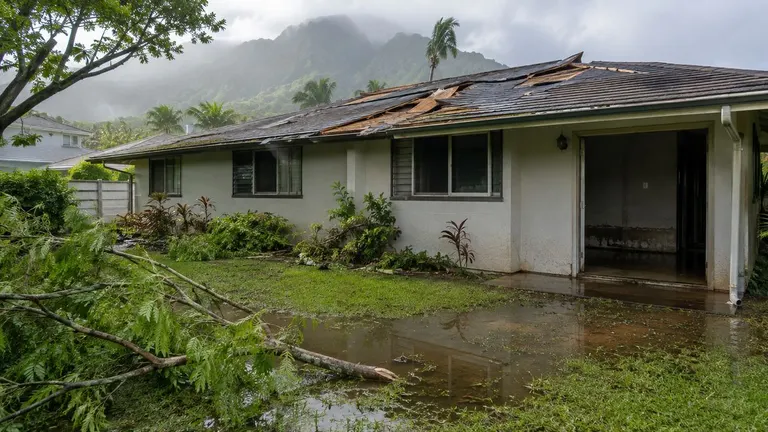
Water damage
If you are reading this with water still moving through your house, this page is written for you, and the honest answer is that the first few hours shape everything that follows.
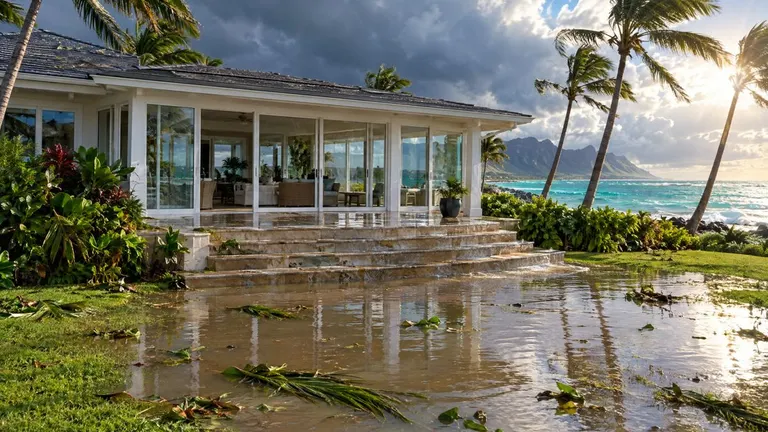
Rescue One Restoration books licensed pros for flood repair and flood remediation in Virginia. Many of the pros we book document every job to the standard your insurance adjuster expects to receive. Request service online any time. Flooding does not wait for business hours, and neither does our request form.
Below we set out what flood damage restoration actually involves: why floodwater is not simply water, what you can safely do in the first hour before the pro arrives, the sequence a pro follows from emergency water extraction through decontamination, structural drying and rebuild, and why flood coverage works differently from the water damage claim most homeowners are already familiar with.
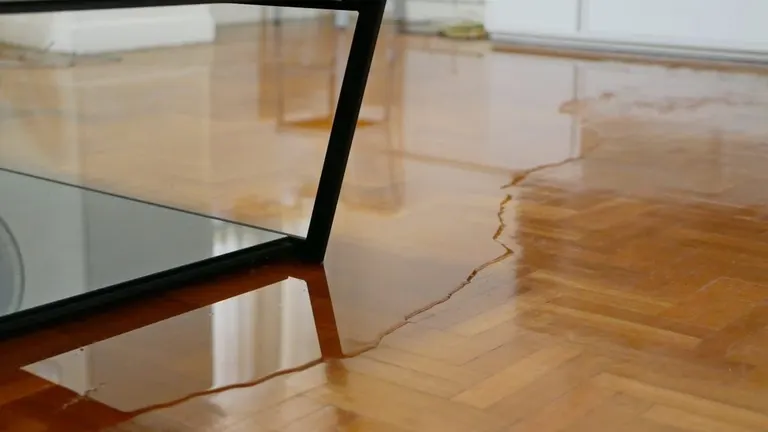
Floodwater is not simply water. It carries bacteria from storm drains, chemicals off the street, sewage overflow, and contaminants that pose real health risks to your household. In humid weather, what looks like “just water” today becomes a mold problem within days if it is not handled properly. Where flooding involves sewage backup, sewage backup cleanup applies the containment and decontamination protocols that Category 3 water requires.
Restoration pros see a great many homeowners attempt DIY flood cleanup and then discover hidden water damage inside their walls months later. By that point the structural damage has multiplied, and what could have been a straightforward flood damage repair has become a reconstruction project. That is why professional water damage inspection matters: it finds the problems before they become expensive ones.
Timing is the variable that decides most of this. Standing water migrates into wall cavities, subfloor and insulation within hours, and in humid weather the affected materials do not dry on their own once it gets there. That is why a good pro treats the first visit as an extraction and assessment job rather than a quotation visit, and why you should request service at 2 AM rather than wait for a reasonable hour.
A flood restoration service is the process of removing the water, decontaminating the area, and making the space safe for repairs. The pros we book combine emergency water extraction, contamination cleanup, structural drying, and complete restoration, all coordinated through a single point of contact. You should not have to project-manage five contractors during the most stressful week of your life, so many of the pros we book carry the whole scope themselves: extraction, drying, decontamination, mold remediation, reconstruction and final finishing. One call, one contract, one person you can reach.
Insurance is where most flood claims go wrong, and it is worth understanding early. Standard homeowners policies generally cover sudden and accidental water damage from an internal source, such as a burst pipe, a failed water heater or an appliance malfunction. External flooding, meaning storm surge, rising water, or heavy rain entering the structure from outside, usually requires separate flood coverage through the National Flood Insurance Program or a private flood policy. The pro documents the water source on day one so the claim is filed correctly the first time, and speaks to adjusters directly so you are not translating between two industries while your house is wet.
Water damage
What Makes Flood Restoration Different
Every region faces its own flooding conditions. Soil that does not drain well holds water against foundations. High ambient humidity means moisture lingers rather than dissipating, so drying takes longer here than the same job would take in a drier climate. Salt air accelerates corrosion on everything the water touched. Older homes frequently lack adequate drainage, and building codes are specific to each state and county. In close communities, when disaster strikes, people know, which is why discretion and respect matter as much as the equipment does.
Restoration pros work flood damage repair projects ranging from ground-floor flood cleanup in older homes to emergency flood restoration in coastal properties after major storms. Every property is different. The emotions are consistently the same: fear, loss, and the hope that someone can put this right.
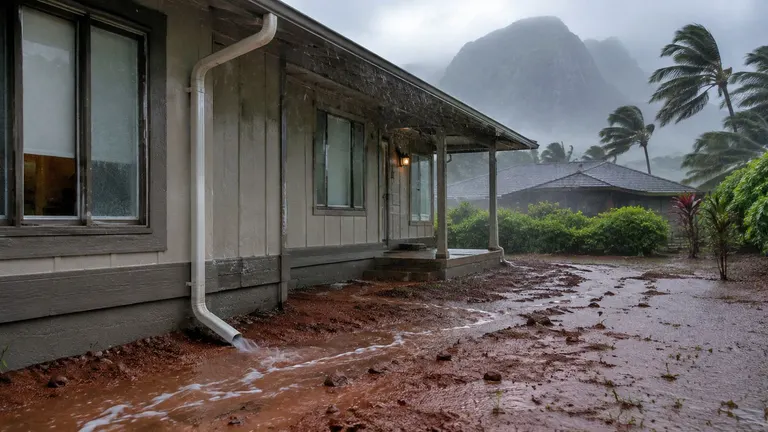
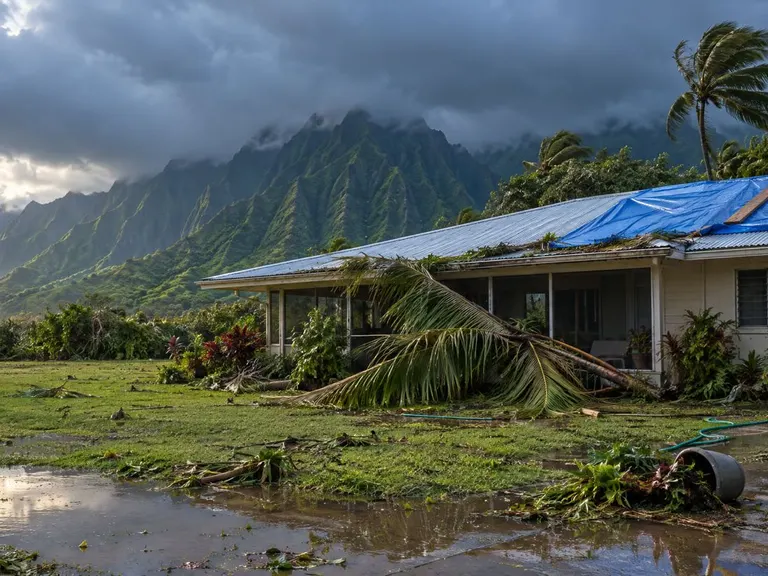
Water damage
What To Do In The First Hour, Before the Pro Arrives
At the moment your property is affected by floodwater, a few things you do yourself will limit the lasting damage. None of them are worth an injury, so read the safety qualifier on each one.
- Move valuables up, if you have warning. Before flooding reaches your area, and only if there is time, move furniture and valuable possessions off the ground. In homes that hold heirloom furniture and family keepsakes that cannot be replaced, elevating those items ahead of a storm can save the things that carry your family’s story.
- Get everyone out of the water. Because of what floodwater carries, everyone should leave the affected area and find safe refuge elsewhere. It may look like dirty water, but it carries bacteria, chemicals and sewage that can make you and your children seriously unwell. If you have elderly parents or children with asthma in the household, the risk is higher still.
- Shut off utilities once it is safe. When you can do so safely, turn off the gas and electricity to the property. This limits the risk of electrical discharge or gas leaking into standing water. If you are not certain how to do it safely, wait for the pro rather than guessing.
Beyond those three, wait for the pro. Do not start throwing damaged items away, because the adjuster needs to see them, and do not run household fans or open the windows yet. With contaminated water, airflow spreads contamination, and in humid weather open windows add moisture rather than removing it.
How it works
The Flood Damage Restoration Process
Emergency Flood Removal and Damage Assessment
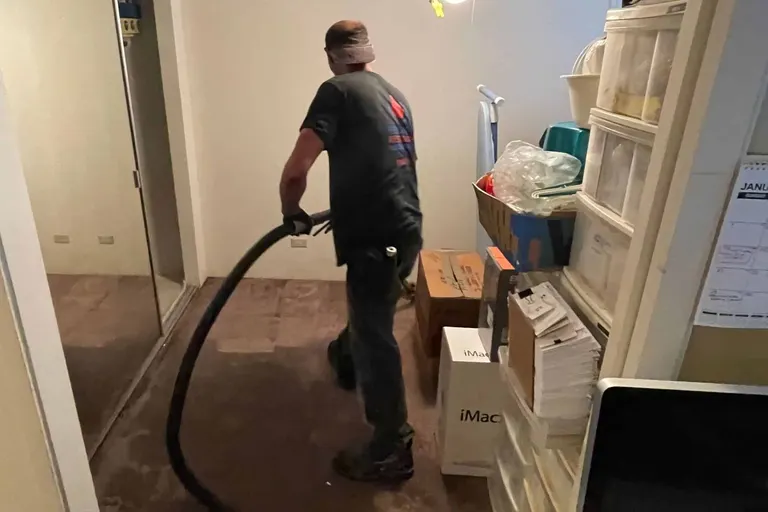
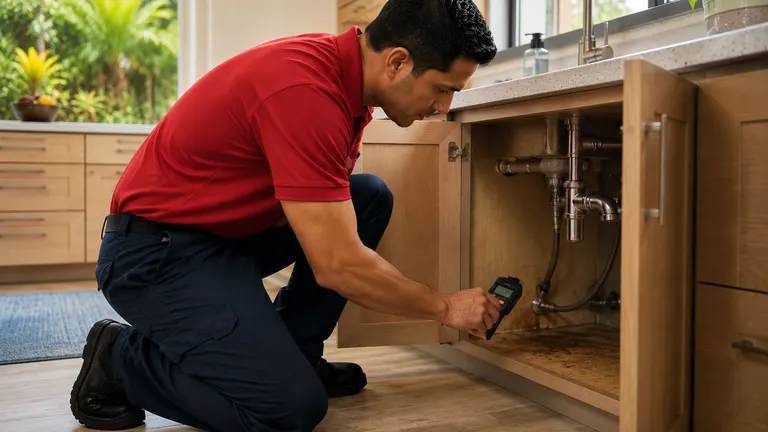
The pro removes the standing water and assesses what the flood has done. Industrial-grade extraction equipment takes the water out; moisture meters and thermal imaging then locate the water you cannot see. That technology reveals moisture trapped inside walls, beneath floors and in structural cavities, which is the hidden flood damage that causes problems months later when it is missed.
Safe Debris and Contents Removal
The pro removes and disposes of contents and furnishings that cannot be salvaged, working through it alongside you rather than around you. Everything is documented for insurance as it goes, and you have time to remove personal items and photographs before the pro proceeds.
Complete Decontamination
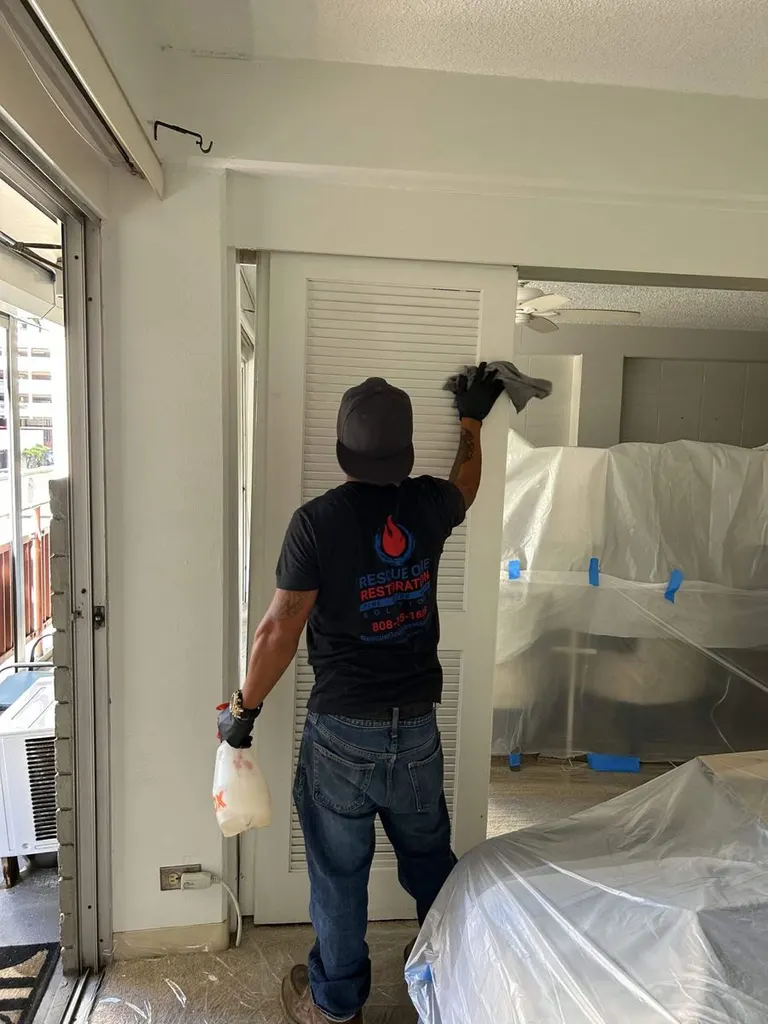
The pro disinfects and decontaminates every area the floodwater reached, eliminating the chemical, biological and environmental hazards it introduced. Flooding brings contamination that ordinary cleaning does not address, so the pro uses EPA-registered antimicrobials appropriate to flood remediation and follows containment protocols that stop cross-contamination reaching the clean parts of the house.
Structural Assessment
As licensed contractors, the pros we book inspect the structural elements floodwater may have compromised: foundation integrity, wall framing, and electrical systems. Local building codes are specific, and a good pro makes sure every flood repair meets or exceeds local requirements rather than merely looking finished.
Professional Drying and Dehumidification
This is where amateur flood cleanup fails. Surface drying is not sufficient in humid weather. The pro runs commercial dehumidifiers and air movers with continuous moisture monitoring, and the work is finished when meter readings confirm the structure is dry, not when it feels dry to the touch.
Water damage
The Equipment a Flood Job Actually Requires
The gap between a professional flood restoration and a rented wet vac is mostly equipment, and it is a substantial capital investment that is not practical for a homeowner to make. On a flood job a licensed pro brings:
- Industrial water extractors capable of removing thousands of gallons
- Commercial dehumidifiers that process far more per day than any consumer unit
- High-velocity air movers positioned to a drying pattern rather than at random
- Infrared cameras that detect moisture behind walls and beneath flooring
- Penetrating moisture meters that measure inside wood and concrete
- HEPA air scrubbers that remove airborne contaminants during the work
- Antimicrobial foggers for decontamination of affected surfaces
Water damage
After the Water Is Gone: Prevention and Rebuild
Once the flood damage restoration is complete, the pro should give you guidance on prevention specific to your property. Homeowners generally want to understand what happened, why it happened, and how to reduce the chance of it recurring, and that is a reasonable thing to want. Whether the issue turns out to be ceiling water damage from a roof leak or a foundation drainage problem, the pro can help you protect the home going forward.
Where the damage requires rebuilding, many of the pros we book offer full reconstruction services that cover everything from demolition through final finishing, so the same company that dried your house is the one that puts it back together. If the flooding came from a storm event rather than standing groundwater, read our guide to storm flooding.
To us and the pros we book, emergency flood damage restoration is not just repairing buildings, but protecting the things that make a house someone’s home.
Service areas
Nearby, Booked the Same Way
Rescue One Restoration books licensed restoration pros statewide in every state we serve. Each pro covers their own part of the state, so the one we book is local to the address with the damage. Pick a place for its page.
Why Rescue One
Why Book Through Us
Rescue One Restoration is a booking service, not a restoration company. What that means for your flood damage restoration:
- 01
One request, one licensed local pro
Tell us what happened once. We find the independent restoration contractor who covers your address and set up the visit.
- 02
Licensed for the work
Every pro we book holds the license their state requires for restoration and the repairs that follow. Ask for the license number when they call.
- 03
Pros who work with insurance
Many restoration contractors document the loss to the standard adjusters expect and deal with your carrier directly.
- 04
The pro quotes you directly
We do not quote prices. The pro inspects, puts the scope in writing and contracts with you directly.
Restore Your Home, Recover Your Life.
Frequently asked questions
Frequently Asked Questions
Don’t see your question? Ask us.
01How quickly should I call for flood damage restoration services?
Immediately, the moment you discover flooding. What happens in the first day or two determines whether you are dealing with a manageable cleanup or a mold remediation project, because in humid weather mold can establish on damp surfaces quickly. Every hour floodwater sits in your home increases contamination, structural damage and health risk. Request service the moment you see flooding, even at 2 AM. Timing matters more than anything else in a flood.
02How much does flood damage repair cost?
It depends on the extent of the damage, the area affected and what repairs are required, and neither we nor a good pro will quote a number before seeing the property because any figure given over the phone would be a guess. What you get instead is a written estimate itemising the scope of work, the materials involved, what is being removed versus dried, and what the reconstruction requires.
03Is flood damage covered by my homeowners insurance?
This is where many homeowners are caught out. Standard homeowners insurance typically covers sudden and accidental water damage from an internal source, such as a burst pipe, a water heater failure or an appliance malfunction. External flooding, meaning storm surge, rising water or heavy rainfall entering from outside, usually requires separate flood insurance through the National Flood Insurance Program or a private flood policy. The pro reviews the situation with you and documents the water source so the claim is filed correctly. If you are unsure about your coverage, call anyway rather than delaying cleanup over insurance confusion.
04What is the difference between water damage restoration and flood damage restoration?
Water damage restoration generally refers to clean water from sources such as supply lines, water heaters or rainwater, which is Category 1 or 2 water. Flood damage restoration involves contaminated water, Category 3 or black water, carrying sewage, chemicals, bacteria and hazardous material from storm drains or external flooding. Flood restoration therefore requires more extensive decontamination, antimicrobial treatment and frequently the complete removal of porous materials that cannot be sanitised. Both need professional handling, but flooding demands stricter safety protocols because of the health hazards involved.
05How long does flood damage restoration take?
It depends on how much of the property is affected, which materials are involved, and whether reconstruction is required once the drying is finished, so a good pro does not quote a duration before seeing the property. Humidity extends drying times compared with drier climates, and that is a physical fact rather than a scheduling choice. A good pro does not rush drying, because inadequate drying can lead to mold. The work is finished when moisture readings confirm the structure is dry, not when a projected end date arrives.
06Can I do flood cleanup myself, or do I need professional flood restoration services?
Small clean-water incidents, such as a supply line leak caught immediately, may be manageable with a shop vac and fans if you act straight away. Actual flooding, particularly anything involving contaminated water, needs professional flood remediation. You need commercial dehumidifiers capable of processing hundreds of pints per day, moisture meters and thermal imaging to find hidden water, EPA-registered antimicrobials for decontamination, and the training to apply correct drying technique. Restoration pros see many DIY cleanups that looked fine on the surface and concealed moisture that became a serious mold problem months later.
07What should I do while waiting for the flood restoration pro to arrive?
Safety first. Do not enter standing water while the electricity is still on, and do not touch outlets, appliances or switches if anything is wet. If you can safely reach your main breaker panel, cut power to the affected areas. Document everything with photographs and video for insurance, but only where it is safe to do so, and move valuables out of harm’s way only if you can reach them safely. Do not throw anything away yet, because the adjuster needs to see the damage, and do not run fans or open windows, because airflow spreads contamination and open windows add humidity.
08How is mold growth prevented after flood damage, and will my home smell afterward?
Mold prevention comes down to speed and thoroughness. The pro begins extraction as soon as they are on site, runs commercial dehumidifiers to bring humidity below the level at which mold establishes, removes porous materials such as drywall, insulation and carpet padding that cannot be dried in time, and applies EPA-registered antimicrobials to every surface the floodwater contacted. A properly restored home does not smell afterward. Lingering odour means incomplete drying, inadequate decontamination or hidden moisture that was never addressed, so a good pro verifies the structure is dry by meter before finishing, and inspects HVAC systems because contamination travels through ductwork.
09Can my flooded hardwood floors and furniture be saved?
Sometimes yes and sometimes no, depending on the water category, how long the exposure lasted and what the material is. Solid hardwood can often be saved if it is dried properly and quickly, though it may cup and need refinishing. Engineered hardwood and laminate usually cannot be salvaged after prolonged flooding. Solid wood furniture can frequently be restored if it is reached early, though some staining may remain, while upholstered furniture exposed to contaminated floodwater generally has to be discarded on health grounds. A good pro assesses every item honestly and works with your insurer to obtain fair compensation for what cannot be saved.
10Do you book pros in my area for emergency flood damage restoration?
If you are anywhere in the states we serve, yes. We book licensed flood restoration pros statewide. During major storms, when many properties are affected at once, pros prioritise by severity and should keep you informed about where your job sits.
Request service
Let’s bring your home back.
Tell us what happened and where. We book a licensed restoration pro in Virginia and call you back to set up the visit.
Licensed local prosVirginiaWater · Fire · Mold · FloodA booking service