A calm, step-by-step guide for homeowners after a flood: going back in safely, documenting the damage, understanding your coverage, drying the house and choosing who to hire.
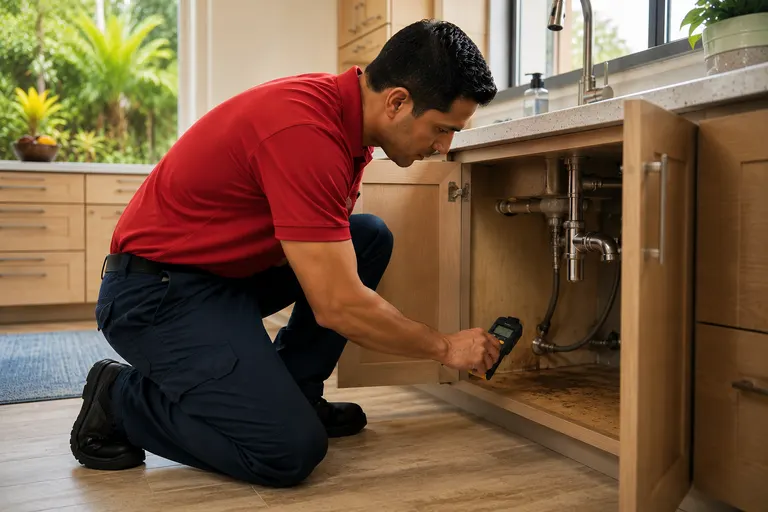
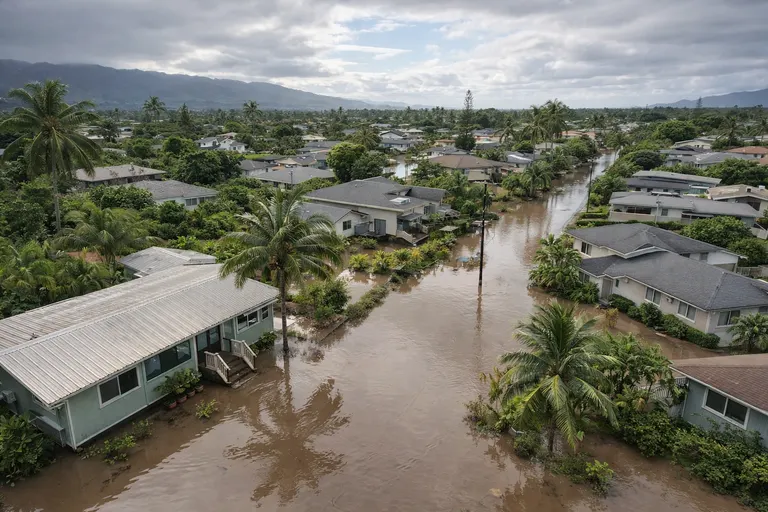
Floods come from more than one direction. A slow storm can stall over a region for days, a stream can rise in a few hours, a hurricane or tropical storm can push rain and seawater inland, and a burst line can flood a home on a sunny afternoon. Whatever the cause, the steps afterward follow the same order. This guide takes you through them, from the moment you can go back in to the weeks after the water is gone.
If water is still rising, or you are not sure the building is safe, leave and follow the guidance of your state’s emergency management agency and local officials. Everything below is for once you can return.
Step 1: Make sure it is safe to go back in
Floodwater and electricity are the first concern. The CDC’s guidance is never to turn power on or off, or use an electric tool or appliance, while standing in water. If you would have to walk through standing water to reach your main breaker, call an electrician to turn it off.
Once the water is out, do not switch the main breaker back on yourself. The CDC advises having an electrician check the house’s electrical system before the power goes back on. Your utility repairs its own meter, but if the meter socket, service mast or wiring on your house was damaged, it usually cannot reconnect you until a licensed electrician repairs those parts.
Before you go inside, also check for:
- Gas. If you smell gas or hear a hissing sound, leave and call the gas company from outside.
- Structural damage. Sagging ceilings, cracked or shifted foundations, and doors that suddenly stick can all mean the structure has moved. Stay out until it has been checked.
- Floodwater itself. The EPA and CDC both warn that floodwater can carry sewage, bacteria and chemicals. Wear rubber boots, rubber or heavy work gloves and eye protection, keep children and pets out, and wash your hands with clean water and soap after any contact.
Do not walk or drive through moving water outside the house. Even shallow moving water can knock an adult off their feet.
Step 2: Stop more water getting in, if you safely can
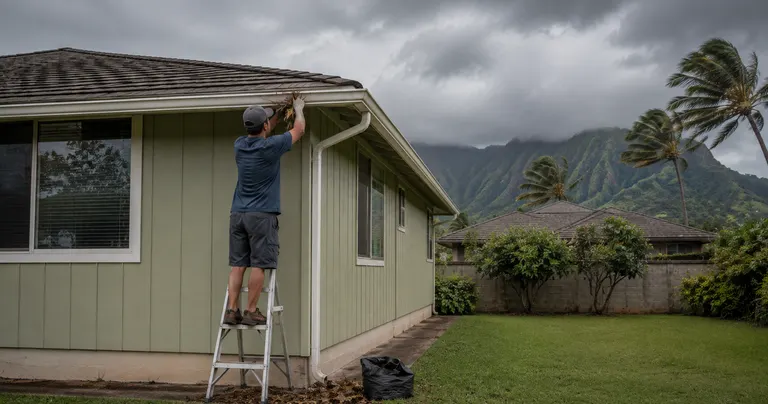
If the flooding came from a broken pipe or water heater, shut off the main water valve. If rain is still coming through a damaged roof, window or patio door, a tarp or a board over the opening can prevent more damage while you wait for repairs. Only do what you can do from the ground and without risk. Many of the restoration pros we book also handle emergency board-up and tarping.
Step 3: Document the damage before you clean up
Your insurance claim will rest on what you can show. Before anything is moved, cleaned or thrown away:
- Take photos and video of every affected room, wide shots first and then close-ups
- Photograph the waterline on walls, cabinets and furniture, with something in frame for scale
- Record damaged items with their brand, model and serial numbers where you can see them
- Keep samples of flood-damaged materials such as carpet, flooring and curtains, as FloodSmart (the National Flood Insurance Program’s site) advises
- Write down the date and time the water came in and when it went down
- Keep every receipt for supplies, emergency repairs, meals and lodging
If you have to throw something out for health reasons, such as spoiled food or a soaked mattress, photograph it first and note what it was. Your adjuster needs to see what was lost, not only hear about it.
Step 4: Call your insurer and understand what you are covered for
Report the loss to your insurance company as soon as you can, and write down your claim number and the name of everyone you speak to. Then work out which policy applies, because it is often not the one homeowners expect:
- Homeowners insurance usually covers sudden water damage from inside the home, such as a burst pipe. FEMA notes that flood damage is not typically covered by a homeowners policy.
- Flood insurance covers water that rises from outside: streams, surface runoff and storm surge. Policies through the National Flood Insurance Program have separate limits for the building and for contents, with separate deductibles, and contents are usually paid at actual cash value.
- Hurricane insurance is often separate in coastal states. State insurance departments note that hurricane damage may require separate hurricane coverage, and that flood damage is not covered under hurricane insurance.
So after a hurricane, one house can have wind damage on the hurricane policy, rising water on the flood policy, and a burst pipe on the homeowners policy.
If you have flood insurance, FEMA asks policyholders to submit a signed Proof of Loss within 60 days of the loss. That deadline is sometimes extended after a major disaster, but do not count on it. If you do not have flood insurance, buying it now will not cover this event: new NFIP policies generally take effect 30 days after purchase.
For help with a claim, most state insurance departments publish a post-disaster claims guide and take consumer questions and complaints.
Step 5: Start drying within 24 to 48 hours
The EPA says that if wet materials are dried within 24 to 48 hours of a leak or spill, in most cases mold will not grow. That window is the reason speed matters after a flood, and in humid weather a house will not dry on its own in that time. Flood policies also generally do not pay for mold that could have been prevented after the water went down.
What you can safely do while you arrange help:
- Remove small amounts of standing water with a wet vacuum, if the power has been cleared by an electrician
- Move wet rugs, cushions and furniture out of the wet area so the floor beneath can dry
- Prop open cabinet doors and drawers, and pull furniture away from wet walls
- Keep the house closed and running dehumidifiers rather than relying on open windows when the outside air is humid
Water that came from outside, from a stream, storm drain or the ocean, is listed by the industry standard for water damage restoration (IICRC S500) as an example of the most contaminated category of water. The restorer confirms the category on site. If you are dealing with that kind of water, leave the extraction and drying to professionals, because moving air around a contaminated house can spread the problem. Our pages on water extraction and flood damage restoration explain what that work involves.
Step 6: Decide what to keep and what to throw out
The CDC’s rule of thumb is to throw away anything you cannot clean or dry quickly. After floodwater from outside, that usually means:
- Food that may have touched flood water. The CDC’s advice: when in doubt, throw it out.
- Mattresses, pillows, upholstered furniture, stuffed toys and carpet pad. They soak up water deep inside and cannot be cleaned reliably.
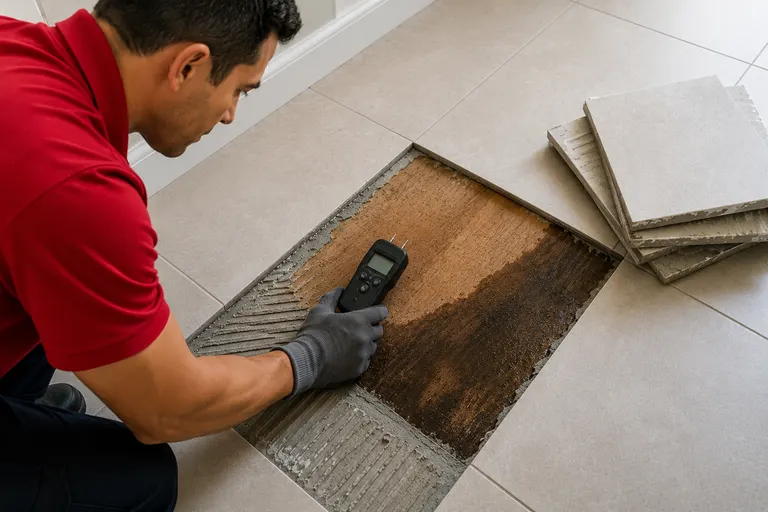
- Wet drywall and insulation below the waterline. These are usually cut out a little above the highest wet point so the wall cavity can dry.
Hard, non-porous items such as metal, glass, sealed hard plastic and finished solid wood can often be cleaned and disinfected. Carpet and flooring depend on the type and how long they were wet. Our guides on whether to save or replace wet carpet and on water damage by material go through each one. Remember to photograph everything before it goes to the curb.
For disposal, check your city or county’s site for bulky item pickup and drop-off sites. After a declared event, many local governments run a separate storm debris pickup in the hardest-hit areas.
Step 7: Hire carefully
After a flood, unlicensed contractors and door-to-door offers appear quickly. Most states’ contractor licensing offices remind homeowners that a licensed contractor is required for larger jobs, or for any work that needs a building, electrical or plumbing permit. Before you sign anything:
- Look up the company’s license with your state’s contractor licensing board
- Ask for a written scope of work that says what will be removed, how the house will be dried, and how dryness will be confirmed
- Never pay the full amount up front
- Be wary of anyone who pressures you to sign the same day
Step 8: Know where to find assistance
FEMA disaster assistance for individuals is only available after a federal major disaster declaration that includes your county for Individual Assistance. A state or county emergency declaration on its own is not enough. You can check whether assistance is open for your county at DisasterAssistance.gov or by calling 1-800-621-3362. FEMA asks you to file your insurance claims first, because it does not pay for losses your insurance covers.
Step 9: Watch for mold in the weeks after
Even a house that was dried well deserves a few weeks of attention. Watch for a musty smell, new staining on walls or ceilings, paint that bubbles, and baseboards or flooring that start to swell or cup. These signs usually mean moisture is still trapped somewhere. If you see them, our mold remediation page explains the next steps, and our mold prevention guide covers the routine that keeps it from coming back.
If the flood came with a storm, it is also a good time to look ahead: our guide to preparing your home for a tropical storm or hurricane covers what to do before the next one.
How Rescue One Restoration can help
Rescue One Restoration is a booking service: we book independent, licensed local restoration pros who cover your address. You can request service online any time.
The pros we book handle the whole job, from extraction and drying through mold remediation and reconstruction, and document the work the way adjusters need to see it. Many work directly with your insurance company and bill most major carriers directly. Ask the pro whether their assessment has a fee.
Send us a request, and we will book a licensed pro who will tell you what they find and what it will take to dry and restore your home.